









Whether you're flowing through your vinyasa, flexing your well-defined biceps or running a marathon, there's one essential piece of gear every woman needs: a good sports bra. Research from Progressive Sports suggests that breast movement can cause discomfort in around 56% of women. Choosing the right sports bra can help minimise bounce, improve comfort and allow you to focus on your workout rather than your support. In this guide, we'll walk through high, medium and low-impact options, what each is designed for, and how to find the right fit. We'll also explain the different types of sports bras available, how to measure yourself correctly and what to look for if you have a larger bust. Here's how to match your sports bra to your activity, size and fit, and where to find the right one at TSE.
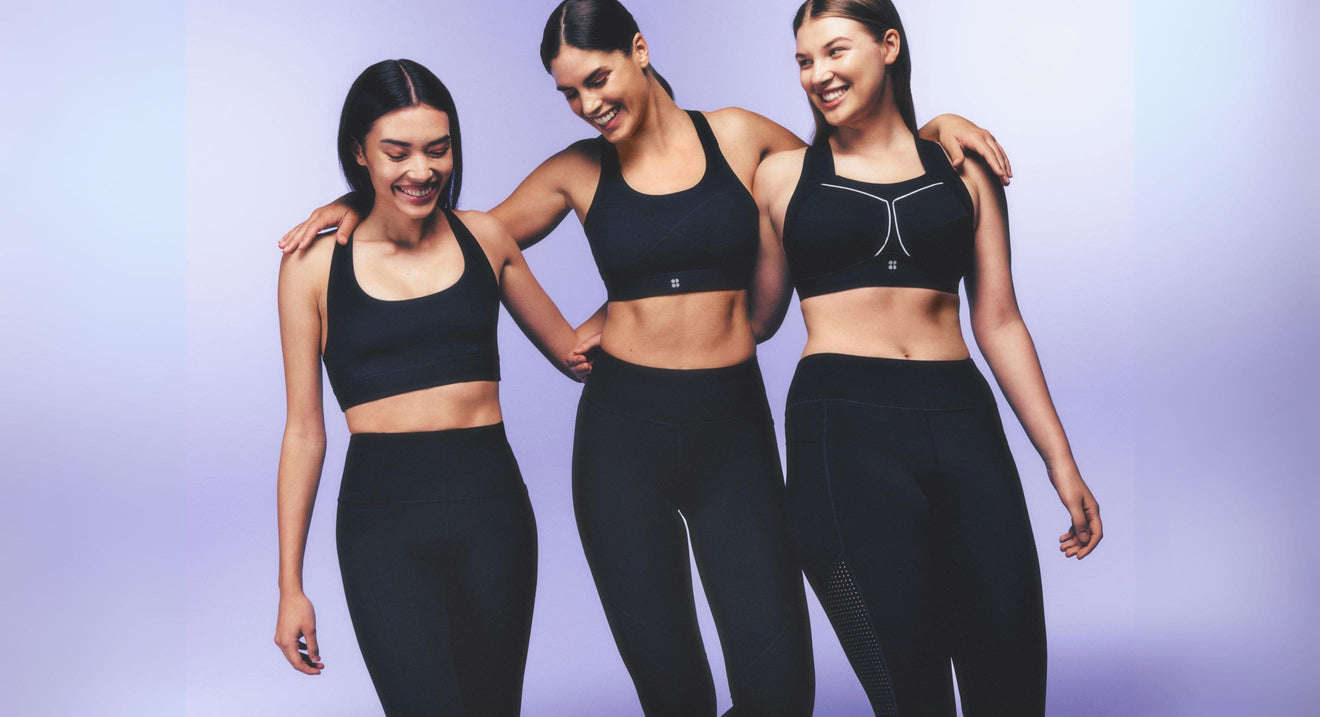
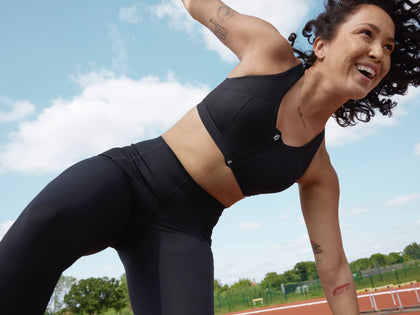
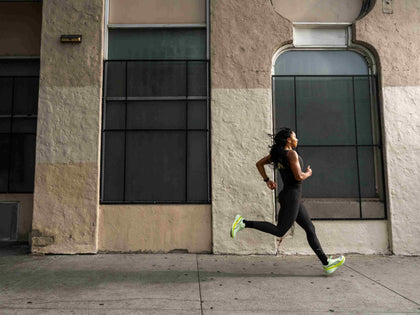
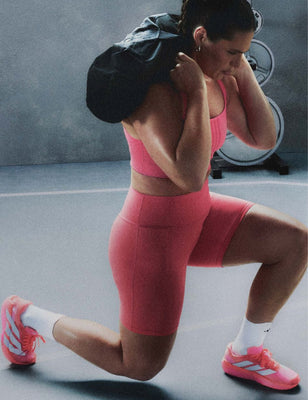
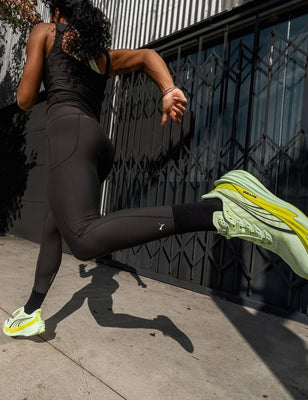
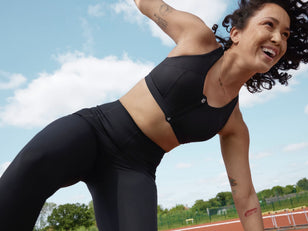
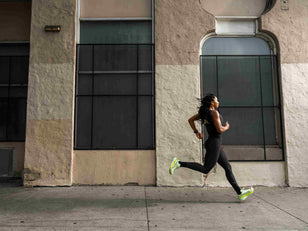
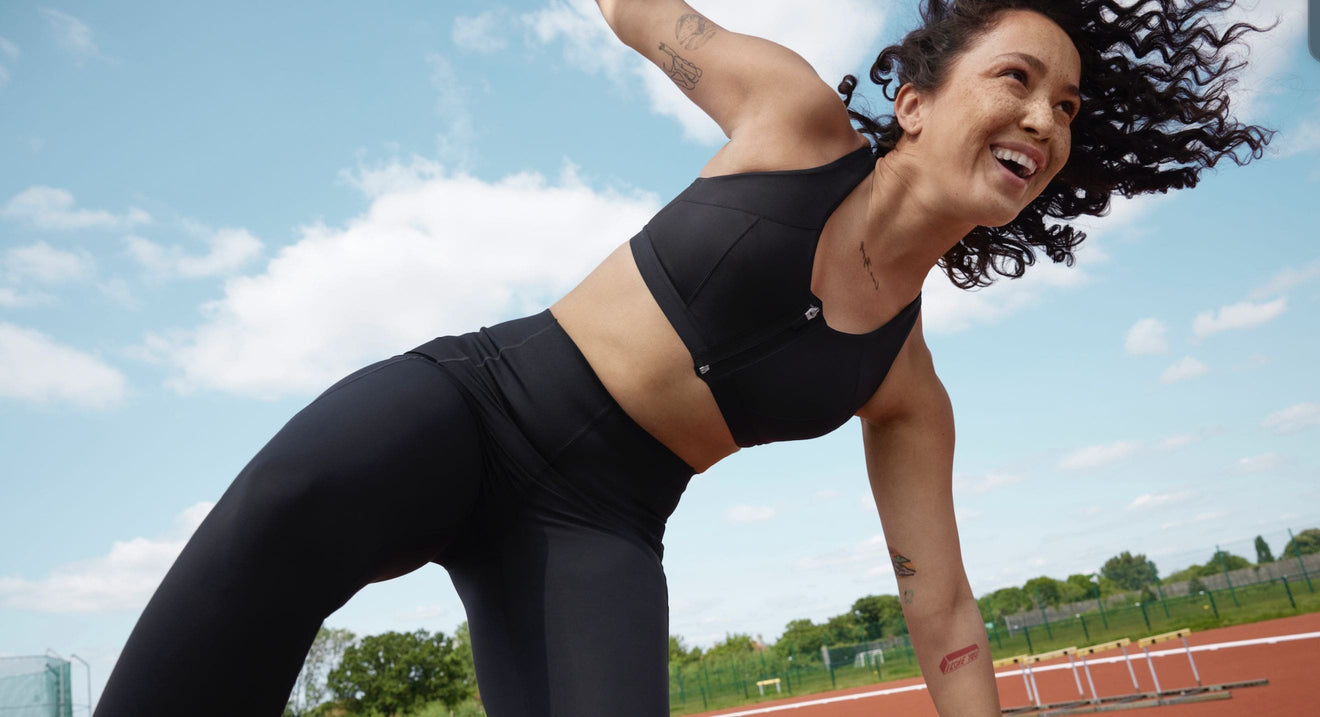
Sports bras are divided into three categories: high-impact, medium-impact and low-impact. The right level of support will depend on how much movement your activity involves. However, your bust size also plays an important role. While some people can comfortably wear low-support styles for yoga, walking or everyday tasks, others may need additional support regardless of the workout. If you have a bigger bust, you may find that low and medium-impact sports bras do not provide enough support, and you might have to opt for a high-support sports bra. As mentioned, while activity level is important when choosing a sports bra, bust size often has an even bigger influence on the amount of support you'll need. For those with a fuller bust, the goal isn't simply comfort during exercise; it's reducing excessive movement, preventing discomfort and ensuring a secure fit throughout your workout. Some of the most common challenges include bounce during higher-impact activities, straps digging into the shoulders, underbands rolling or shifting, and chafing around the neckline or under the bust. So, when shopping for a larger bust, look for features such as: Many women with larger busts also find that high-support sports bras offer the most comfortable fit, even for lower-impact activities, such as walking, strength training or yoga. Choosing a bra with more support than the activity technically requires can result in better comfort and confidence during movement. Do you love running on the treadmill, speed-hiking up hills, and hitting up an aerobics class? If the answer is yes, yes, and yes, you might need a high-impact sports bra. These bras offer the top level of support, which means that they are ideal for up-tempo workouts. Gym sessions with a lot of jumping or cardio also fall into this category. High-impact sports bras are designed to minimise breast movement during intense exercise. They typically feature stronger fabrics, wider straps, secure underbands and a more structured fit than lower-support styles. Many also combine compression and encapsulation technologies to provide maximum support. If you have a larger bust, a high-impact sports bra may be the best option even when taking part in lower-impact activities. The extra support can help reduce discomfort, minimise bounce and improve overall confidence during exercise. Browse our range of high-impact sports bras and read our guide to the best high-impact sports bras to find your ideal fit.
What Impact Level Do You Need?
Choosing a Sports Bra for a Larger Bust
High-Impact Sports Bras: Running, HIIT and Cardio
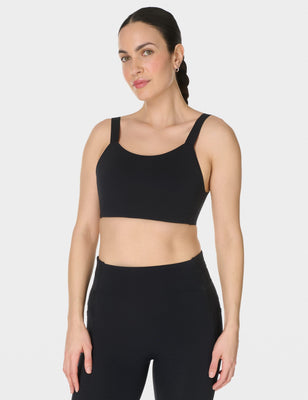
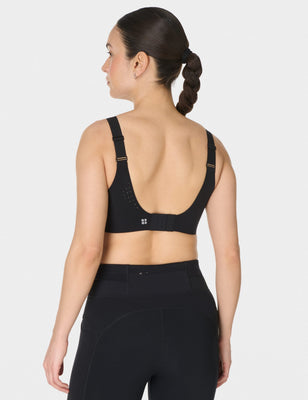
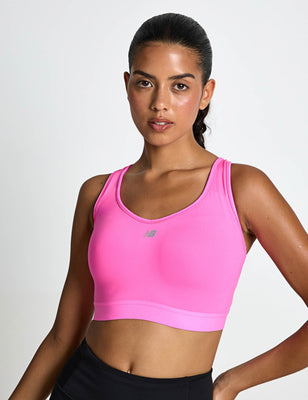
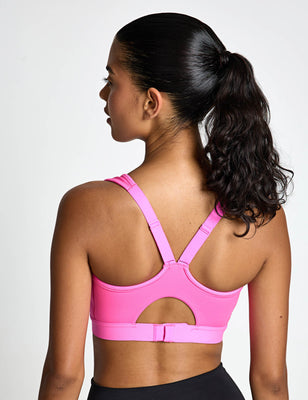
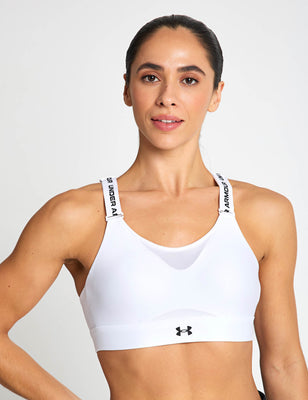
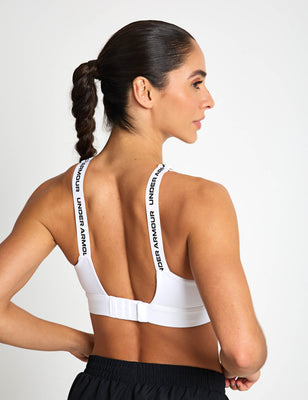
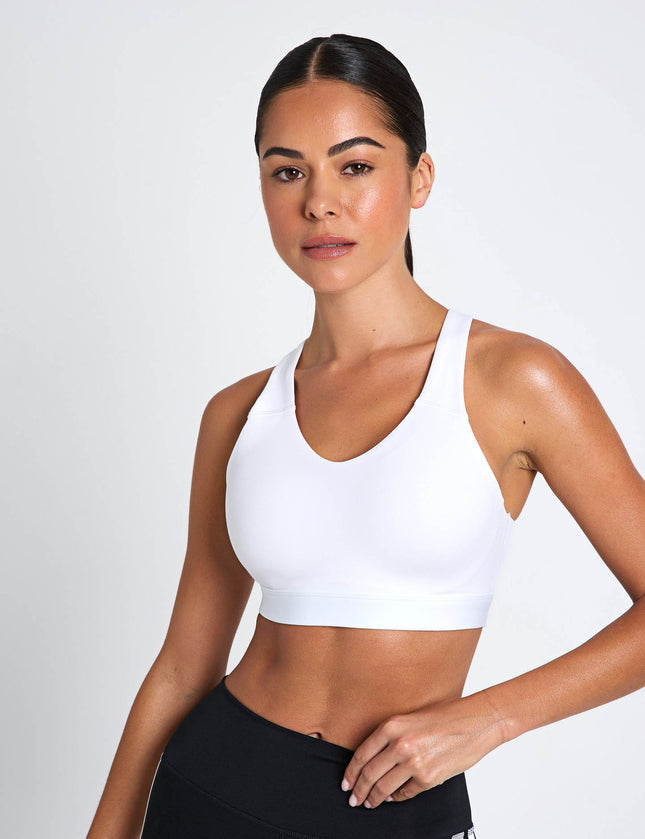
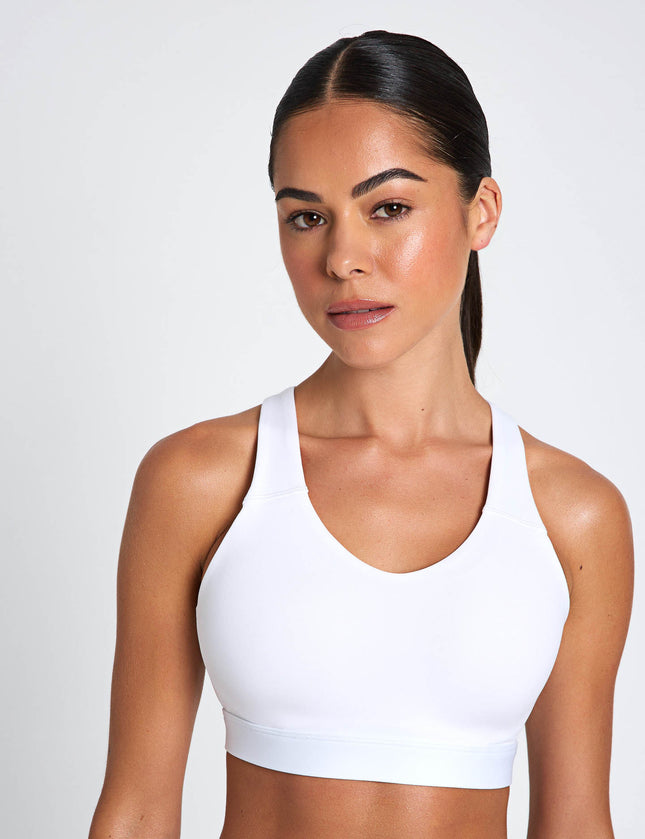
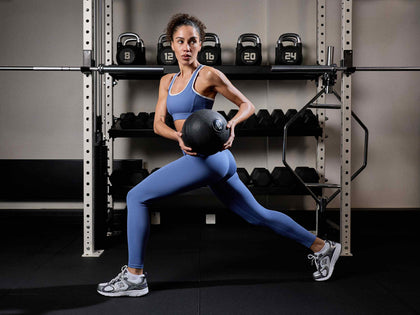
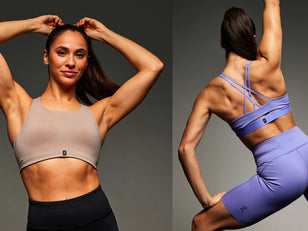
From skiing and cycling to gym workouts and dance, medium-impact sports bras can help keep you supported during some of the most popular sports and activities. Designed to strike a balance between comfort and support, medium-impact styles are ideal for workouts that involve steady movement without the repetitive impact of running, such as cycling, dance classes, hiking, and strength training. Medium-support sports bras generally offer moderate compression, comfortable stretch and enough stability to keep you secure throughout your session. They're a versatile choice for people who enjoy a variety of activities and want a bra that can transition between different workouts. Explore our collection of medium-impact sports bras and read our guide to the best sports bras for gym workouts for more inspiration.Medium-Impact Sports Bras: Gym, Cycling and Dance
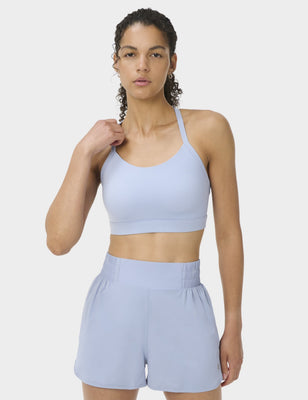
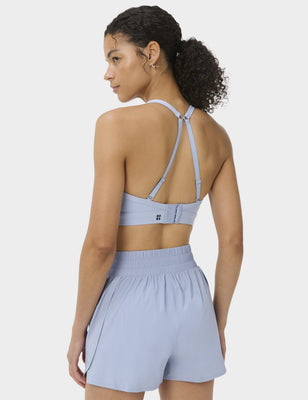
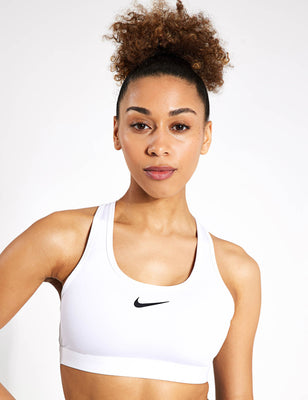
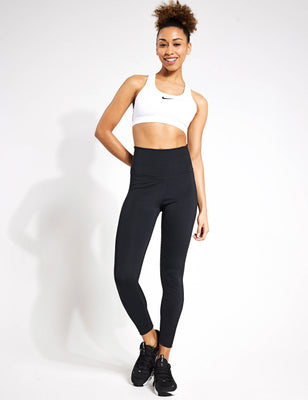
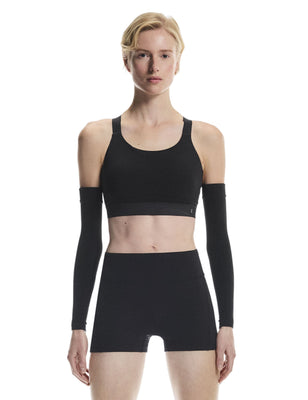
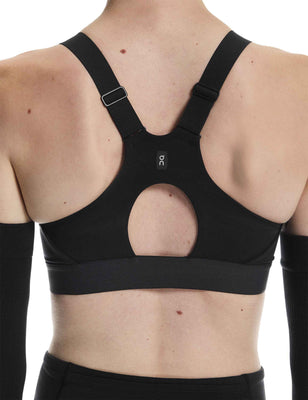
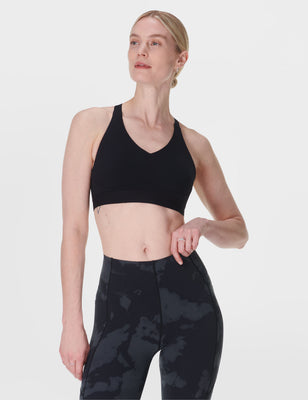
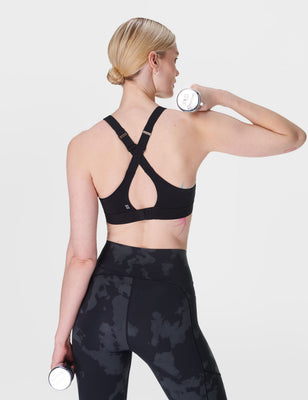
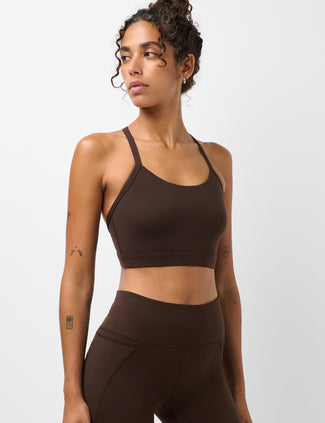
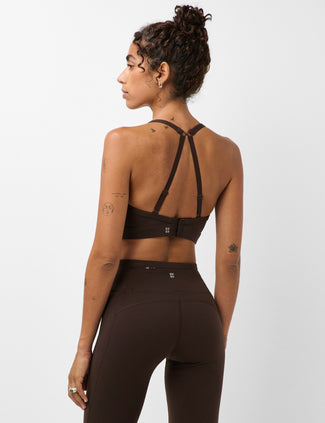
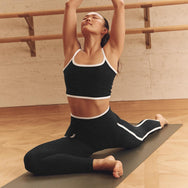
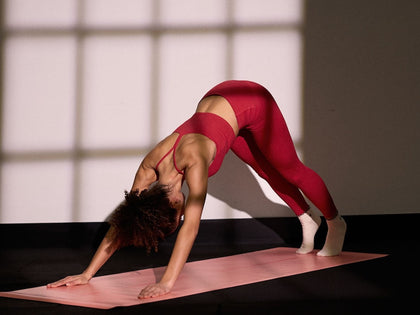
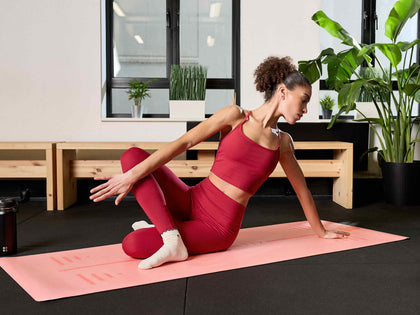
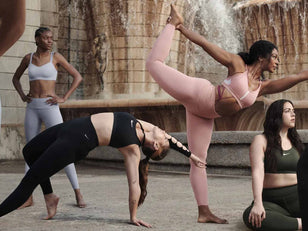
Are you a fully fledged yogi? Or, alternatively, are you currently embarking on a strength training routine? These sports don't involve fast-paced motions, which means that the bra you will need is likely to be a low-impact sports bra. Low-impact sports bras prioritise comfort, flexibility and freedom of movement. They are often softer, lighter and less restrictive than higher-support styles, making them ideal for yoga, Pilates, stretching sessions and studio-based workouts. Browse our yoga bras collection and read our Nike Indy sports bra review for a closer look at one of the most popular low-impact options.
Low-Impact Sports Bras: Yoga, Pilates and Studio Workouts
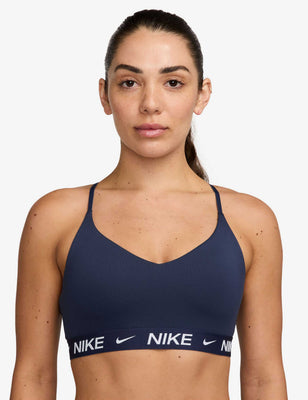
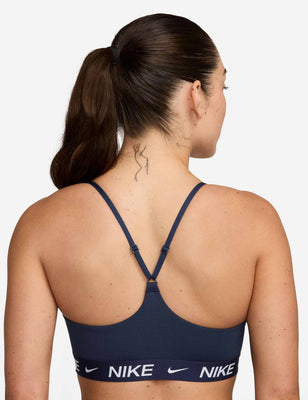
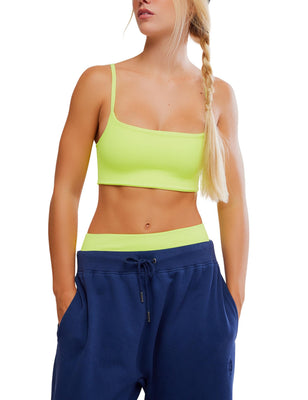
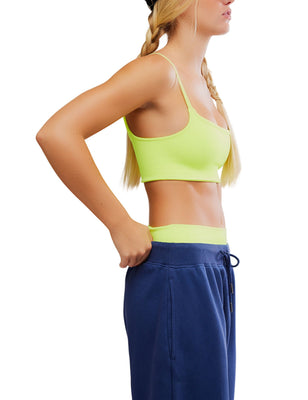
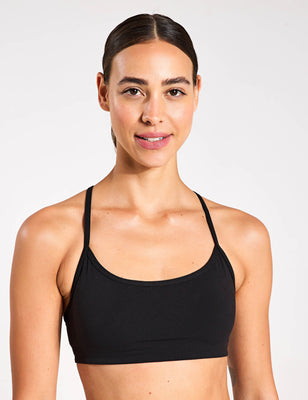
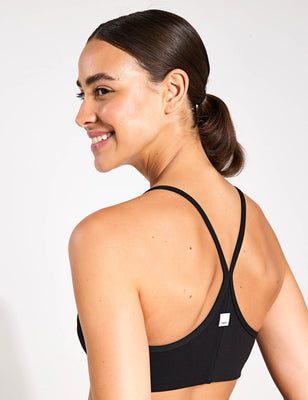
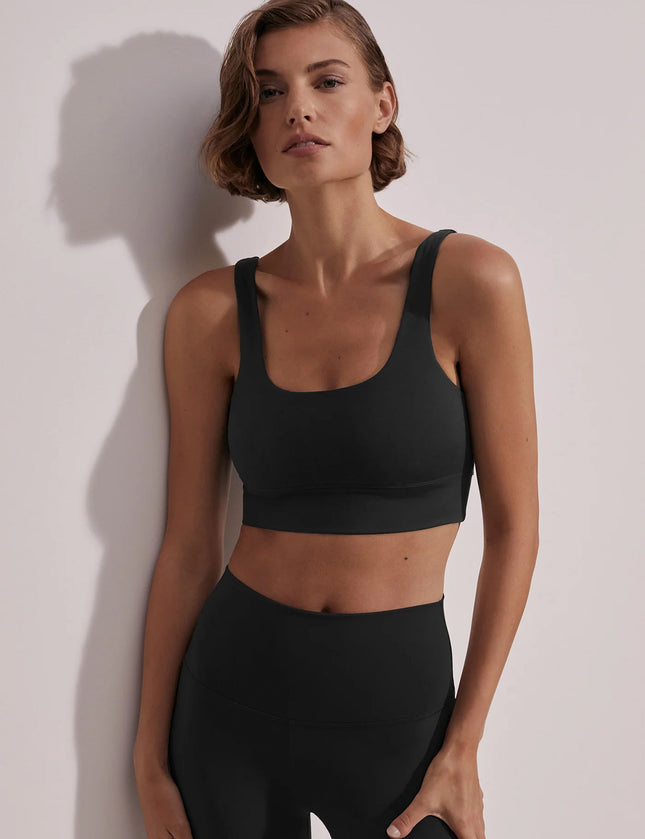
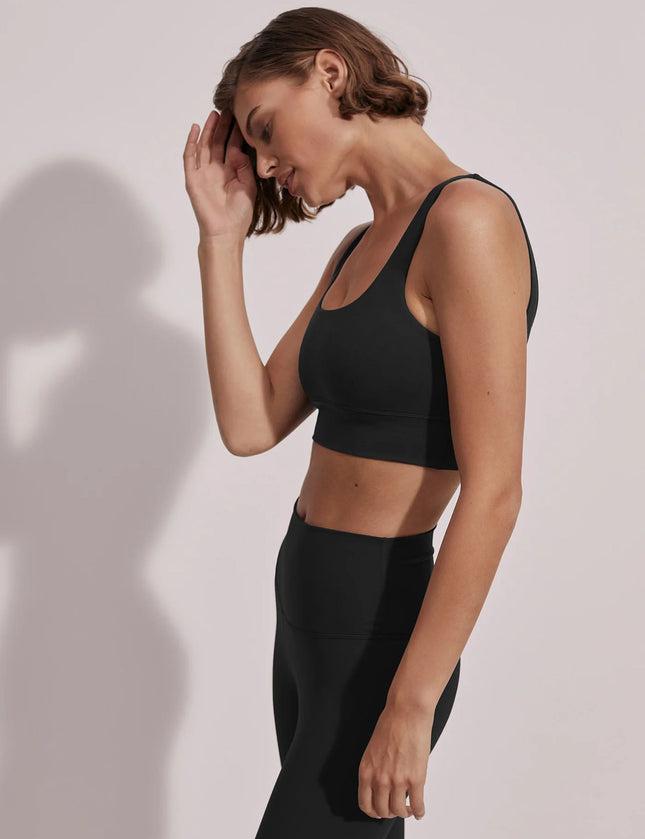
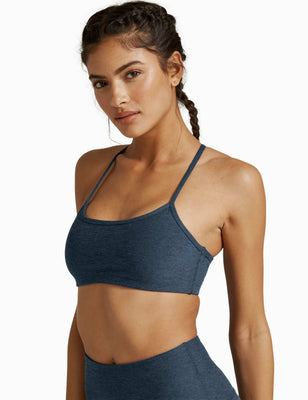
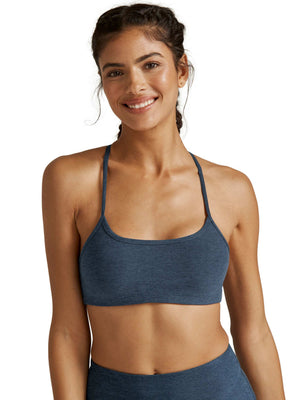
Understanding the different types of sports bras can make it easier to find the right level of support for your workouts. Encapsulation Sports Bras: boasting separate cups, the encapsulation bra is a comfortable and supportive option. Most low-impact sports bras fall into this category, as there is unlikely to be any level of compression here. Because each breast is supported individually, encapsulation sports bras often provide a natural shape and can be particularly comfortable for larger bust sizes. Compression sports bras: As the name suggests, a compression sports bra compresses your breasts towards your chest. They will usually take the form of one piece of material or panels, but are not likely to have separate cups. Compression bras are popular for lower to medium-impact activities and can provide a secure, streamlined fit. Combination sports bras: Also known as compression/encapsulation sports bras, the combination choice offers the best of both worlds. These bras will give you a certain level of compression while also separating your breasts with cups. Combo sports bras are ideal for high-impact activities, such as running or aerobic exercise. For a deeper dive into the differences, read our full guide to compression vs encapsulation sports bras.
Types of Sports Bra: Compression, Encapsulation and Combination
Back in 2008, a study found that a massive 80% of women typically wore the wrong bra size. Getting the correct sports bra size is particularly important because exercise places greater demands on your bra than everyday wear. A poor fit can lead to discomfort, chafing, inadequate support and distraction during workouts. The right fit, on the other hand, can improve comfort, confidence and performance. Before shopping for a sports bra, it's worth taking a few minutes to measure yourself accurately. While sizing guides provide a useful starting point, sports bra sizing can vary between brands and styles. Knowing your measurements will help you compare size charts and make more informed choices. Accurate measurements are the foundation of finding the right sports bra fit. First of all, let’s deal with your band size. This particular measurement is the number that you will find at the beginning of a typical UK standard bra size. For example, if your current bra size is a 34C, your band size will be 34. Simply, wrap the tape measure about your ribs just below the bottom of your bra. Make sure that you keep the tape close to your skin. You need to span the entire circumference of your body. When you have your band size in inches, you can convert that to a number using the following guidelines. When you have identified what your band size is, it’s time to move on and figure out your cup size. This is the letter that you find after the number. If we use the same example of someone who is 34C, their cup size will be C. Use a tape measure to measure the circumference of your back and your breasts. Then take away your band size to get your breast size. So, if your band size was 35 inches and this new measurement is 41 inches, you need to take 35 away from 41. Your breast size will be 6 inches. When you have found your size in inches, convert it to a cup size here. The entire process should only take you a few minutes but make sure it’s accurate. When you have finished, you should have a number and a letter. Combine these two things to create your overall bra size.
To ensure accurate results, avoid measuring over bulky clothing and make sure the tape measure sits flat against your body without being pulled too tightly or left too loose. It's also worth rechecking your measurements every six to twelve months, as body shape and bra size can change over time. When you first start browsing sports bras, you will notice one thing. They are not always available in the same sizes as regular bras. Much of the time, they will come in XS, S, M, or L instead. That could be confusing if you’re used to getting bras in a particular size. Never fear, you simply have to convert your bra size to a sports bra size. While sizes may vary from brand to brand, the table below is a good indicator of which bra is right for you. Bra Size A B C D E 30 XXS XS XS XS S 32 XS XS S S M 34 S S M M L 36 M M L L XL How to Find Your Sports Bra Size

How to Measure for a Sports Bra
How to find your cup size
Sports Bra Size Conversion Chart
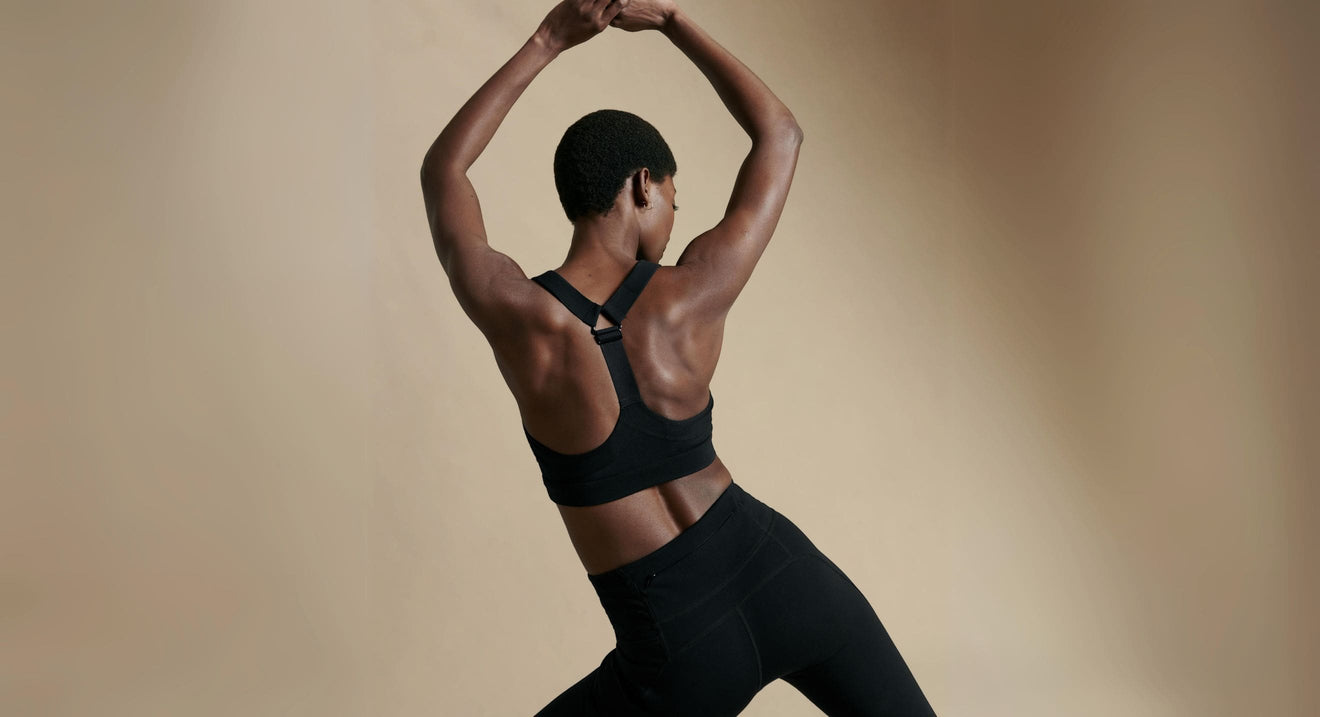
A sports bra should feel secure and supportive without restricting your breathing or movement. It should stay comfortably in place throughout your workout while allowing you to move freely and naturally. Use these simple fit checks: Conclusion: The right sports bra depends on more than your size alone; it should match the type of activity you're doing and the level of support you need. Whether you're looking for high-impact sports bras for running and HIIT, medium-impact sports bras for gym workouts and cycling, or yoga and low-impact styles for Pilates and studio sessions, choosing the right support level can make all the difference. Shop the full range of all sports bras to find your perfect fit. A high-impact sports bra is the best choice for running. Running creates repeated vertical movement, so you'll need a sports bra designed to minimise bounce and provide maximum support. Look for features such as adjustable straps, supportive underbands and combination compression-encapsulation construction. Browse our collection of high-impact sports bras to find styles specifically designed for running and other high-intensity workouts. High-impact sports bras are ideal for cardio sessions, HIIT workouts and classes involving jumping, while medium-impact sports bras are often better suited to strength training, cycling and general gym workouts. Choosing the right support level will help improve comfort and confidence throughout your session. A high-support sports bra is usually the best choice for a larger bust. Features such as encapsulation cups, wider straps, adjustable fittings and supportive underbands help reduce bounce and improve comfort. Many fuller-bust shoppers prefer high-impact sports bras even for lower-intensity activities because of the additional support they provide. A sports bra should feel snug, supportive and secure without causing discomfort. The band should stay in place during movement, the cups should fully contain your breasts, and the straps should sit comfortably on your shoulders without digging in. A properly fitted sports bra should support movement without restricting it. Most sports bras should be replaced every six to twelve months, depending on how often they're worn and washed. If you notice reduced support, stretched fabric, loss of elasticity, discolouration or visible signs of wear, it's time for a replacement. A worn-out sports bra won't provide the support needed for comfortable exercise. How Should a Sports Bra Fit?
Sports Bras FAQs
Which sports bra is best for running?
Which sports bra is best for the gym?
What sports bra is best for a large bust?
How should a sports bra fit?
How often should you replace a sports bra?